Consumer Education
Medicare Supplement (Medigap)
Medicare Supplement Medigap Plans Guide 2026
Original Medicare leaves significant gaps in coverage that can cost you thousands of dollars out of pocket. A Medicare Supplement fills those gaps and gives you the financial predictability you deserve in retirement.
Medicare Supplement: Your Questions Answered
What is Medicare Supplement (Medigap) insurance?
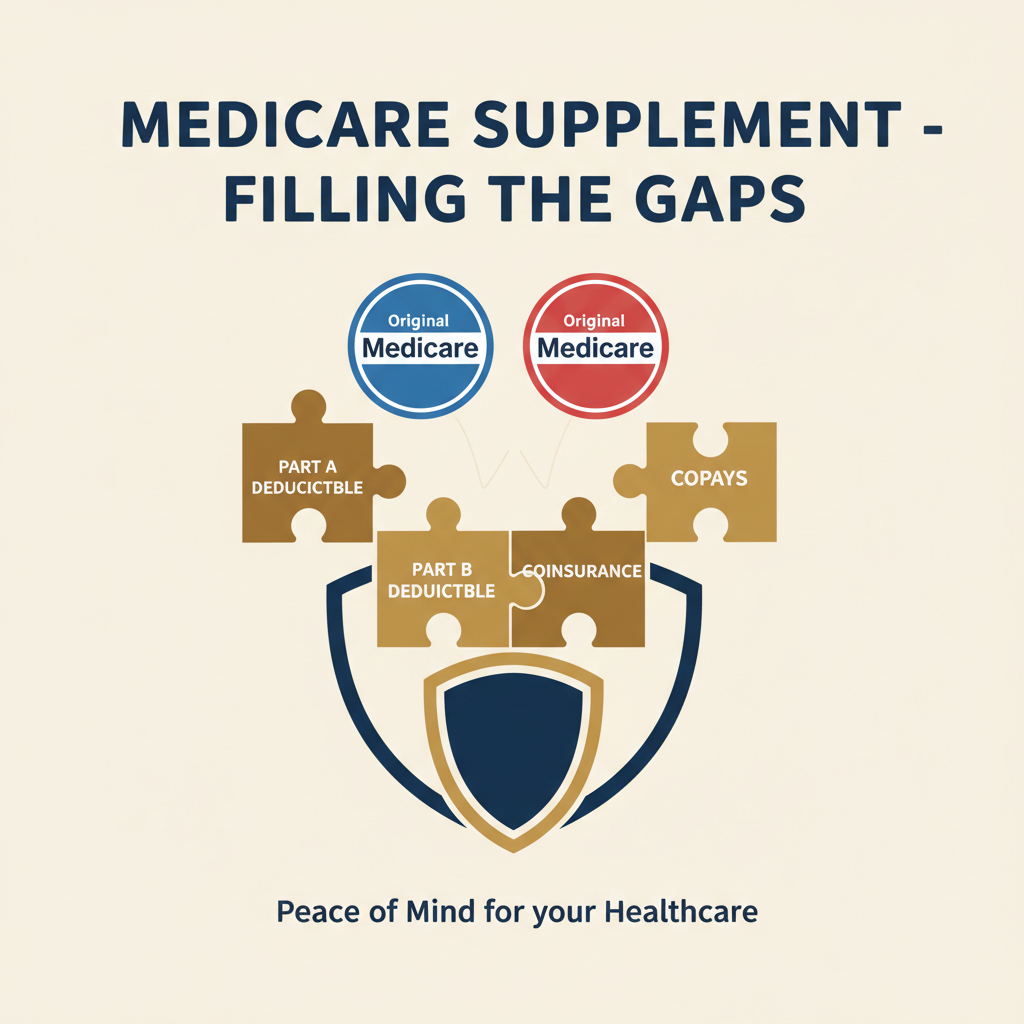
- Definition: Medigap is supplemental insurance designed to work alongside Original Medicare (Parts A and B). It fills the "gaps" in Medicare coverage—deductibles, coinsurance, and copays that Medicare doesn't pay.
- How It Works: When you receive care, Medicare pays its approved amount first. Your Medigap policy then pays its share of the remaining costs, depending on the plan you select.
- Standardized Benefits: Each lettered plan (G, N, F, etc.) offers identical benefits regardless of which private insurer sells it. Plan G from Insurer A provides the exact same coverage as Plan G from Insurer B—only the premium differs.
- Freedom: With Medigap, you can see any doctor or specialist nationwide who accepts Medicare—no network restrictions, no referrals required.
- Guaranteed Renewable: As long as you pay your premium, your policy is guaranteed renewable for life, even if your health changes.
Medicare Supplement Insurance Explained
What does Original Medicare NOT cover?
- Part A Deductible: $1,744 per benefit period
- .
- Part B Deductible: $257 per year
- .
- Part B Coinsurance: 20% of all outpatient services—with NO annual cap.
- Skilled Nursing Facility Coinsurance: $217.80/day for days 21–100
- .
- Part A Hospital Coinsurance: $436/day for days 61–90
- .
- Unlimited Out-of-Pocket Exposure: Original Medicare has NO annual out-of-pocket maximum. A serious illness or extended hospital stay can result in tens of thousands of dollars in costs.
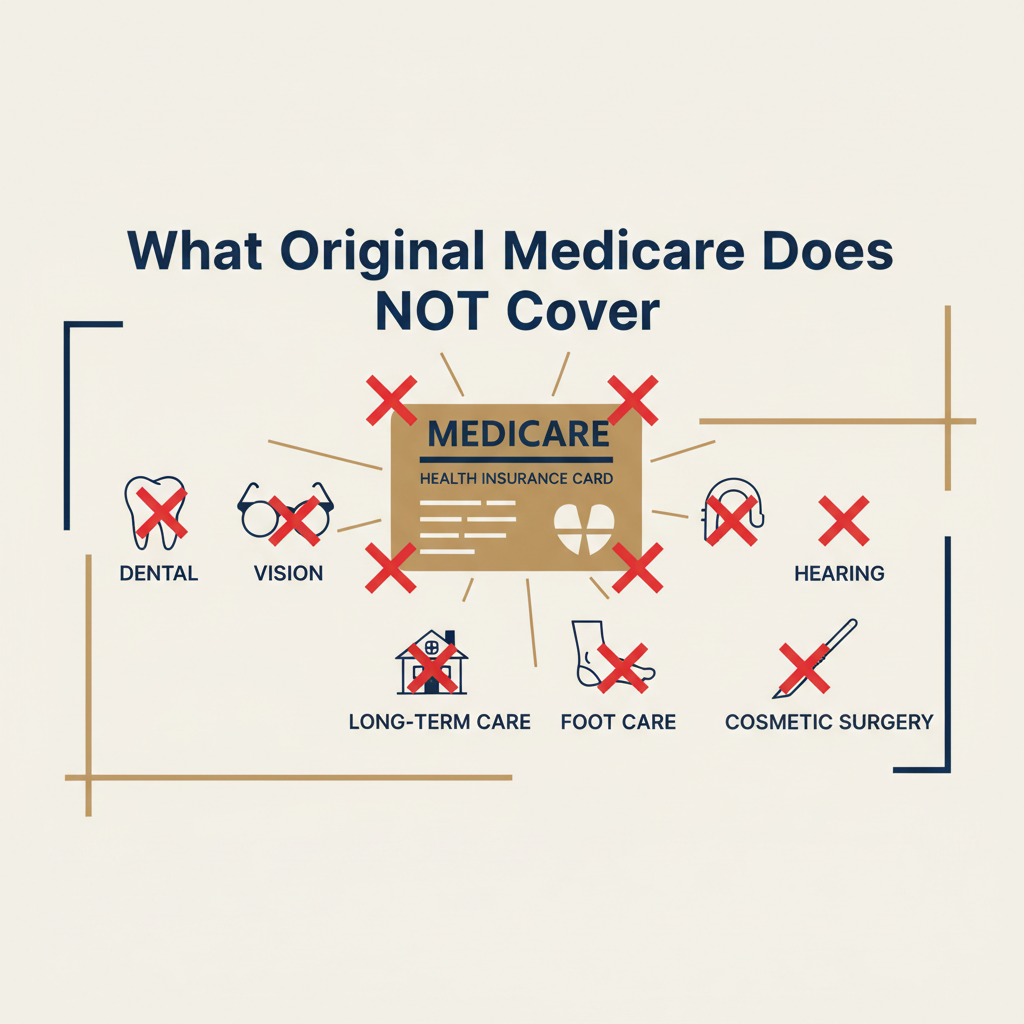
- Other Exclusions: Routine dental, vision, hearing, long-term custodial care, and most care outside the U.S. are not covered by Original Medicare.
What are the most common Medigap plans?
- Plan G: The most comprehensive plan available to those new to Medicare (after Jan 1, 2020). Covers everything Plan F covered except the Part B deductible. Includes Part A deductible, Part B coinsurance, skilled nursing facility coinsurance, and 80% of foreign travel emergencies.
- Plan N: A cost-effective alternative to Plan G with lower monthly premiums. Covers most gaps but requires up to $20 copays for some office visits and up to $50 for ER visits that don't result in admission. Does not cover Part B excess charges.
- Plan F: The most comprehensive plan—covers 100% of Medicare gaps including the Part B deductible. However, it's only available if you were eligible for Medicare before January 1, 2020.
- Plan K & L: Lower-premium options that cover 50% (K) or 75% (L) of some gaps. Both have annual out-of-pocket limits.
When is the best time to enroll in Medigap?
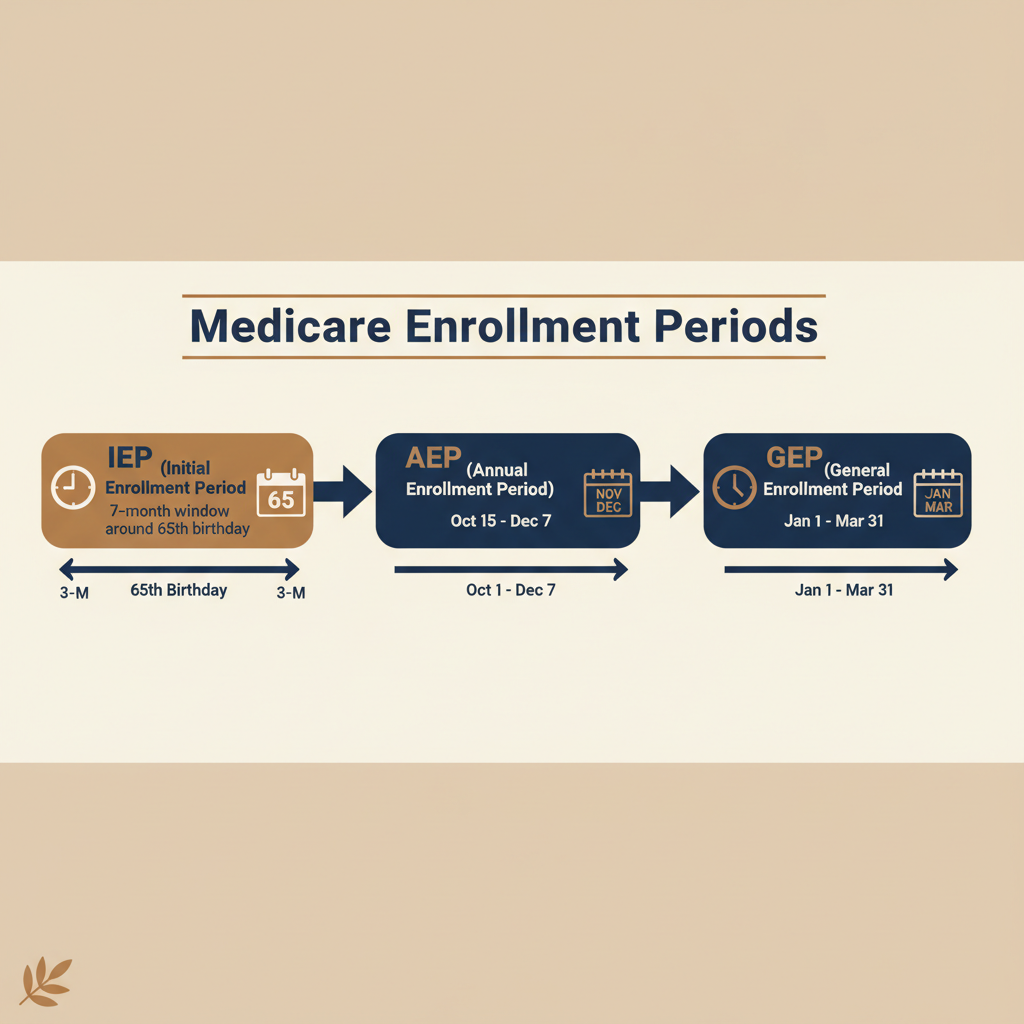
- Medigap Open Enrollment Period: Your 6-month window begins the first month you're both 65 or older AND enrolled in Medicare Part B.
- Guaranteed Issue Rights: During this period, insurers cannot deny you coverage, charge you more due to pre-existing conditions, or impose waiting periods—even if you have cancer, heart disease, or diabetes.
- After OEP Ends: You generally lose guaranteed issue rights. Insurers can use medical underwriting, review your health history, require medical exams, deny coverage, or charge significantly higher premiums.
- Pre-Existing Condition Waiting Periods: If you buy Medigap after OEP without guaranteed rights, insurers can impose up to a 6-month waiting period for pre-existing conditions.
- Strategic Timing: Enroll during OEP even if you're healthy. Once you develop health issues, you may be locked out or face unaffordable premiums.
Can I be turned down for Medigap coverage?
- During OEP: No. During your 6-month Open Enrollment Period, insurers must sell you any Medigap policy they offer in your state, regardless of your health.
- After OEP: In most states, yes. Insurers can use medical underwriting and deny coverage based on your health history. They can also charge higher premiums due to pre-existing conditions.
- State Protections: Some states (CT, MA, NY) have additional protections like continuous enrollment or birthday rules that give you limited guaranteed-issue rights outside OEP.
- Guaranteed-Issue Exceptions: You may get guaranteed rights outside OEP if you lose employer coverage, your Medicare Advantage plan leaves Medicare, you move out of your plan's service area, or your insurer goes bankrupt.
- Don't Delay: This is why enrolling during OEP is critical—once your health declines, you may not be able to get Medigap.
Does Medigap cover prescription drugs?
- No Drug Coverage: Medigap plans do NOT include prescription drug coverage. They only cover gaps in Original Medicare Parts A and B.
- Separate Part D Required: You need to enroll in a standalone Part D Prescription Drug Plan to get coverage for your medications.
- Penalty Risk: If you don't enroll in Part D when first eligible and go 63+ days without "creditable" drug coverage, you'll face a permanent late-enrollment penalty.
- Where to Get Part D: You can buy Part D from any private insurer offering it in your area—it doesn't have to be the same company selling your Medigap policy.
- Medicare Advantage Alternative: If you want medical and drug coverage in one plan, consider Medicare Advantage (Part C), which often includes Part D. But you cannot have both Medigap and Medicare Advantage.
Can I use any doctor with Medigap?
- Nationwide Access: Yes. Medigap works with Original Medicare, which means you can see any doctor or specialist in the country who accepts Medicare.
- No Networks: Unlike Medicare Advantage HMOs or PPOs, Medigap has no provider networks. You're not restricted to a specific list of doctors.
- No Referrals: You don't need a referral from a primary care physician to see specialists.
- Ideal for Travelers: Medigap is perfect for snowbirds, frequent travelers, or people who live in multiple states—you're covered nationwide.
- Foreign Travel: Most Medigap plans cover 80% of foreign travel emergency costs (up to plan limits), providing protection when you're outside the U.S.
Are Medigap premiums the same across all insurers?
- Benefits Are Identical: By law, each lettered plan (G, N, F, etc.) provides identical benefits regardless of which insurer sells it. Plan G from Company A is the same as Plan G from Company B.
- Premiums Vary Significantly: While benefits are standardized, premiums can vary dramatically between insurers—sometimes by $50–$100+ per month for the exact same coverage.
- Pricing Methods: Insurers use different pricing methods: community-rated (same premium for everyone), issue-age-rated (based on age when you buy), or attained-age-rated (premium increases as you age).
- Shop Around: This is why working with an independent agent matters—they can compare premiums across multiple insurers to find the best rate for the same coverage.
- Rate Increases: Premiums can increase over time, and different insurers raise rates at different rates. Review your policy annually.
What is the difference between Medigap and Medicare Advantage?
- Structure: Medigap supplements Original Medicare—you keep Parts A and B, and Medigap fills the gaps. Medicare Advantage replaces Original Medicare with a private plan that becomes your primary coverage.
- Provider Access: Medigap allows you to see any Medicare-accepting provider nationwide. Medicare Advantage usually restricts you to a network (HMO or PPO) and may require referrals.
- Costs: Medigap has higher monthly premiums but lower out-of-pocket costs when you use care. Medicare Advantage often has low or $0 premiums but higher copays/coinsurance per service.
- Drug Coverage: Medigap doesn't include drug coverage—you buy Part D separately. Most Medicare Advantage plans include Part D.
- Cannot Have Both: It's illegal to have both simultaneously. You must choose one approach.
Should I work with a licensed Medicare agent?
- Plan Comparison: Dozens of insurers offer Medigap policies with identical benefits but vastly different premiums. An independent agent can compare rates across carriers to find the best value.
- Enrollment Timing: An agent ensures you enroll during your 6-month Open Enrollment Period to lock in guaranteed-issue rights and avoid medical underwriting.
- No Cost to You: Licensed agents are compensated by insurance companies, not you. Their guidance is free.
- Ongoing Support: A good agent provides year-round support—helping with claims issues, rate increases, or life events that affect your coverage.
- Unbiased Advice: Independent agents work with multiple carriers, not just one company. They can provide objective recommendations based on your specific needs, health, and budget.
Let's Find the Right Medigap Plan for You
With dozens of insurers offering the same standardized plans at very different prices, working with a licensed agent is the best way to ensure you're getting the right coverage at the best available rate. Schedule a no-obligation consultation today.